Whisky is no longer just a drink to be enjoyed—it’s a serious contender in the world of alternative investments. With a proven track record of growth and a unique position as a tangible asset, fine and rare whisky brands from around the world are capturing the attention of a new generation of international investors and collectors.
According to Cru Wine’s Whisky Investment Index, over the last decade, the whisky market has surged by more than 350%, making it a compelling alternative to traditional liquid assets like wine. While recent data suggests a period of market recalibration, this presents an opportunity for strategic, long-term investors to enter the market as it recalibrates.
A Shifting Auction Landscape
The fine and rare whisky auction market has seen a notable shift away from high-value, speculative purchases in 2025. According to recent reports, transaction volumes have decreased, and overall values have dropped, largely due to a decline in the prices of bottles exceeding £10,000. However, this isn’t a sign of a failing market, but rather a move toward a more stable, sustainable one.
While values have softened, legacy brands like The Macallan, Yamazaki, and Dalmore continue to lead the market. A Macallan 60-year-old from the Red Collection, for example, fetched over $72,000 at auction in August, even as other bottles saw a drop in value.
Meanwhile as the whisky market reaches an increasingly international audience, Japanese whisky remains a popular choice, especially when aged statements or discontinued lines are up for grabs. A Yamazaki 55-year-old sold for $200,000 at a Bonhams auction in June, making it the highest hammer price of the year.
Scotch Exports Show Resilience
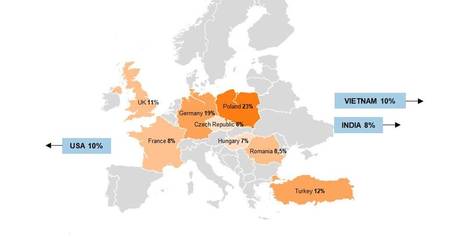
Global demand for Scotch whisky remains strong, particularly from high-net-worth buyers in Asia and the Middle East. Data from the Scotch Whisky Association (SWA) reveals that while the total value of exports declined slightly in 2024, the volume of bottles exported increased. This reflects a shift in consumer preferences toward more affordable blends rather than ultra-premium single malts, a trend that is expected to continue into 2025. The SWA is working to secure trade deals and reduce tariffs in key markets like India and the US to support future growth.
The Rise of Alternative Investment Vehicles
The investment landscape for whisky is evolving beyond just collecting bottles. Interest in full cask ownership is on the rise. This long-term investment offers the potential for higher returns as the liquid matures and its value increases. However, it comes with a different risk profile, requiring expert guidance to navigate maturation timelines, storage logistics, and legal ownership. The market is maturing, with less competition from speculative buyers and improved regulatory clarity.
The accessibility of the market has never been greater. Online platforms offering seamless discovery and portfolio management are driving a surge in first-time investors. These platforms make it easier to buy, sell, and track the value of collections, democratizing an asset class once reserved for a select few.
Younger distilleries on the horizon
Look ahead, there will likely be innovation-driven releases with a focus on sustainability that will gain traction with early investors and herald a new wave of collectible spirits. In a more discerning market, the provenance and rarity of a bottle are more critical than ever. Investors are focusing on genuine, age-stated whiskies with a clear history, moving away from less-established, younger expressions.
For both new and seasoned investors, the current market presents a prime opportunity to acquire high-quality assets at more reasonable valuations. Patient and strategic buyers who focus on long-term value will be well-positioned for future returns. The exuberance of the past is being replaced by a more grounded, strategic approach. While challenges remain—from economic headwinds to trade tariffs—the underlying fundamentals of limited supply and growing global demand remain intact. For those with a long-term view, a well-curated whisky portfolio can offer both a hedge against market volatility and a source of personal satisfaction.