With abundant natural resources, rising electricity demand and an accelerating clean energy transition, Africa is emerging as a compelling long-term destination for international energy investment.
Africa stands at a defining moment in its economic development. Rapid urbanisation, industrial expansion, population growth and increasing demand for electricity are creating unprecedented opportunities across the continent’s energy sector.
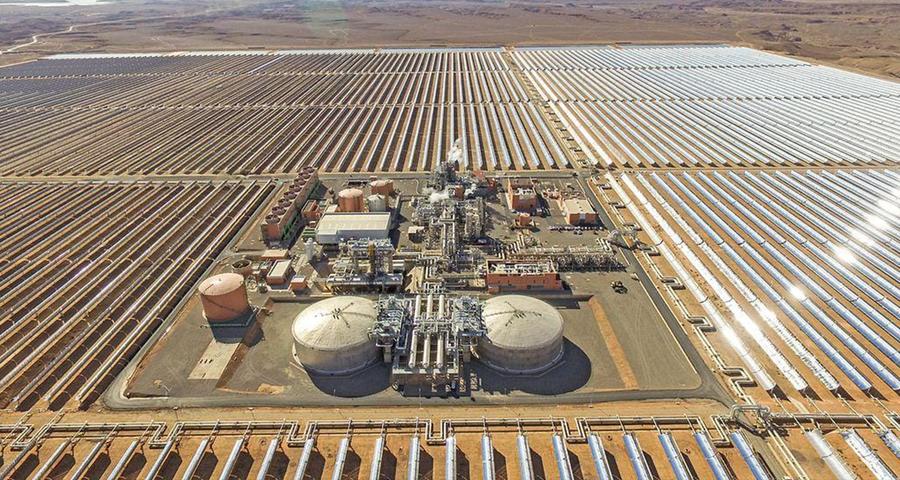
From solar developments in North Africa to geothermal projects in East Africa and natural gas infrastructure in Southern Africa, the continent offers a diverse investment landscape for international institutions, private equity firms, infrastructure funds and multinational energy companies.
For investors seeking long-term growth, Africa represents both a commercial opportunity and a chance to contribute to sustainable economic transformation.
Renewable energy: A new engine for growth
Africa possesses some of the world's most favourable conditions for renewable energy generation. Its extensive solar resources, strong wind corridors, geothermal potential and hydropower capacity provide the foundations for a more diversified energy economy.
Morocco has established itself as a regional renewable energy leader, while Egypt continues to develop large-scale solar and wind projects. South Africa is attracting private investment in renewable generation and battery storage as businesses seek more reliable electricity supplies.
Meanwhile, Kenya's geothermal sector demonstrates how domestic natural resources can support energy security and reduce dependence on imported fuels.
Investment opportunities extend well beyond electricity generation. Battery storage, transmission networks, distributed solar systems and commercial energy solutions are becoming increasingly important components of Africa's energy transition.
According to the International Energy Agency (IEA), private-sector clean energy investment in Africa increased from approximately $17 billion in 2019 to almost $40 billion in 2024, reflecting growing commercial confidence in the sector. IEA
Africa's energy investment landscape in figures
Annual energy investment needed by 2030
$200bn+
Private clean energy investment in 2024
$40bn
People without electricity in 2024
600m
Africa's share of global clean energy investment in 2025
2%
Source: International Energy Agency, 2024–2025 reports. IEA +2
Oil and gas: A strategic global opportunity
Despite the accelerating transition towards renewable energy, oil and natural gas remain important pillars of Africa's energy economy.
Mozambique, Senegal, Mauritania, Namibia, Angola and Nigeria offer significant opportunities across exploration, production, processing and energy infrastructure.
Natural gas could play an important role in supporting industrialisation, electricity generation and export revenues. However, investors must carefully consider global demand forecasts, environmental obligations and the long-term commercial viability of fossil fuel infrastructure.
Developing domestic processing capabilities rather than relying exclusively on raw material exports could also enable African economies to retain greater economic value, generate employment and strengthen regional supply chains.
Green hydrogen and critical minerals
Green hydrogen represents another emerging frontier for African energy investment. Countries such as Namibia, Morocco, Egypt and South Africa are exploring opportunities to become competitive producers of low-emission hydrogen and its derivatives.
Africa's vast mineral resources also position the continent strategically within the global clean energy supply chain. The Democratic Republic of Congo, Zambia and Zimbabwe possess important reserves of minerals used in batteries, electric vehicles and electricity infrastructure.
Investment in local mineral processing, manufacturing and industrial ecosystems could transform Africa from a predominantly raw material supplier into a more influential participant in the global energy transition.
Financing Africa's energy transformation
Access to affordable capital remains one of the most significant challenges facing African energy developers.
Currency volatility, regulatory uncertainty, infrastructure limitations and the financial stability of electricity purchasers can increase investment risks and financing costs.
Development finance institutions, sovereign wealth funds, infrastructure investors and commercial banks have an important role to play in addressing these challenges.
Public-private partnerships, blended finance, green bonds, political risk insurance and long-term power purchase agreements can help create commercially attractive investment structures.
The IEA estimates that approximately $150 billion in investment will be required to achieve universal electricity access in sub-Saharan Africa by 2035. IEA
This presents a substantial opportunity for investors capable of combining commercial discipline with long-term development objectives.
Decentralised energy and financial innovation
One of Africa's most promising investment segments is decentralised electricity generation.
Solar mini-grids, commercial rooftop installations and pay-as-you-go energy solutions are transforming how households and businesses access electricity.
In 2025, approximately nine million people gained electricity access through solar home systems, according to the IEA, establishing a new record. IEA
The integration of digital payments, mobile banking and innovative consumer financing models is creating opportunities for collaboration between energy companies, financial institutions and technology providers.
The investment outlook for 2027 and beyond
As Africa enters 2027, the continent's energy sector offers opportunities across traditional infrastructure, renewable generation, emerging technologies and sustainable finance.
International investors will increasingly need to evaluate individual markets according to regulatory stability, infrastructure readiness, local partnerships and realistic commercial returns.
Governments that establish transparent investment frameworks, strengthen corporate governance and improve the reliability of electricity markets will be better positioned to attract international capital.
Africa's energy future is not simply about generating more electricity. It is about enabling industrial competitiveness, strengthening economic independence, supporting businesses and improving the quality of life for millions of people.
For forward-looking investors, Africa represents one of the most consequential long-term energy investment opportunities of the coming decades.
The institutions that successfully combine capital, technology, responsible investment and local expertise will be among those best positioned to participate in the continent's economic transformation.
International Investor Magazine | Energy & Infrastructure | 2027 Investment Outlook